Cake Being Iced: A Designer's Review for Kitchen Embroidery
As a designer who spends more time staring at stitch maps than actual cakes, I approach every new machine embroidery design with a mix of curiosity and skepticism. When I first pulled up the Cake Being Iced file on my screen, my immediate reaction was one of warm familiarity. There is something inherently inviting about food-themed embroidery, especially when it centers on the act of creation—like icing a cake. This isn't just a static image of a dessert; it captures a moment of process, which adds a layer of narrative to any handmade product it adorns.
The visual personality of this design leans heavily into the cozy, domestic aesthetic that is currently dominating the craft business landscape. For Etsy sellers and boutique owners looking to expand their kitchen linen collections, this motif feels right at home. The layout suggests a focus on the swirling motion of the icing, which presents both an opportunity for beautiful texture and a potential challenge in stitch execution. Before committing this to a client's custom order, I needed to break down how this digital embroidery file translates from vector to thread.
First Impressions and Visual Mood
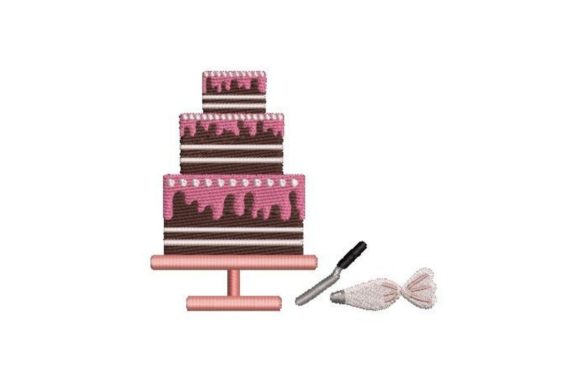
The charm of Cake Being Iced lies in its ability to evoke the smell of vanilla and the warmth of a home kitchen without saying a word. In terms of design structure, it appears to rely on a combination of fill stitch for the cake body and likely satin stitch for the decorative icing swirls. This contrast is crucial. If the icing details are too dense, they risk becoming a solid blob of thread on smaller scales. If they are too sparse, the definition of the "swirl" gets lost.
For a personalized gift, this design hits a sweet spot. It appeals to the baker, the hostess, and the home cook. However, as a professional, I look beyond the cute factor. I ask: Does this look professional when stitched out? The answer depends entirely on the thread colors chosen. While the preview might show soft pastels, real-world application requires careful consideration of contrast. A white icing swirl on a cream-colored cake base might disappear under shop lighting, reducing the impact of the finished product.
Real-World Application Scenarios
To truly evaluate this embroidery project, I imagined several specific use cases that are common in my workflow. The most obvious candidate is a kitchen towel or tea towel. Linen or cotton waffle weave provides enough stability for the design to sit flat, and the theme is contextually perfect. Here, the Cake Being Iced motif serves as a central focal point, perhaps paired with a monogram below it.
Another strong contender is a canvas tote bag design. Grocery totes for farmers' markets or bakery pickup bags are huge sellers for small shop products. On a heavier canvas, the stitch density of the cake should hold up well, provided the stabilizer is adequate. I could also see this working beautifully on a bistro-style apron. For a professional baker, having their own branded apron with this design stitched near the chest pocket adds a touch of whimsy to their uniform.
I also considered sweatshirt embroidery. A crewneck sweatshirt in a heather grey or oatmeal color would provide a lovely neutral backdrop. However, knit fabrics introduce stretch and texture variables. The fabric texture of a fleece-backed sweatshirt can sometimes swallow fine details. If the icing details in Cake Being Iced involve fine running stitch outlines, they might get lost in the pile of the fabric. In this scenario, I would recommend sizing the design up slightly to ensure clarity.
Technical Considerations and Fabric Constraints
While the design is adorable, practical execution requires vigilance. One area of concern is the hoop size relative to the detail level. If you are attempting to stitch this onto a cap or a curved surface, the geometry of the cake might distort if the hoop isn't perfectly centered or if the fabric tension isn't uniform. Caps are notoriously tricky for detailed food illustrations because the curvature can compress the vertical elements of the design.
Furthermore, consider the stitch density. Food designs often tempt digitizers to use heavy fill stitches to mimic the texture of frosting. If this design is too dense, it can cause puckering, especially on thinner fabrics like poly-cotton blends used in standard tea towels. Always test the design on scrap fabric that matches your final material. If the back of the sample shows excessive buildup or if the fabric pulls inward, you may need to adjust your stabilizer strategy. A cut-away stabilizer is often safer for items that will undergo frequent washing, ensuring the embroidered patch effect remains stable over time.
Dark fabrics present another challenge. If a customer requests this on a navy blue apron, the cake layers need to be light enough to pop, but the icing needs to be distinct from the cake layers. This might require deviating from the suggested thread chart and creating a custom color map to ensure the visual appeal remains high.
Commercial Viability and Brand Consistency
For commercial embroidery ventures, consistency is key. If you are selling a line of baked goods-themed merchandise, Cake Being Iced fits well within a broader collection. It signals warmth and handmade quality, which boosts customer trust. Buyers often associate intricate embroidery with higher value, assuming that the time and skill involved reflect the quality of the item itself.
However, before listing this as a design asset or selling finished goods, you must verify the licensing terms. The description notes that the file comes in multiple formats, which is excellent for compatibility across different machine brands. But does the license allow for unlimited commercial sales of finished items? Can you use it in printable mockups for your online store? These are critical questions. Never assume; always read the fine print to protect your craft business from legal issues.
Final Verdict and Designer Notes
In conclusion, Cake Being Iced is a charming addition to the Food category of Embroidery designs. It has strong potential for kitchen decor, apparel, and gift items. To get the best results:
- Test first: Always stitch a sample on your intended fabric to check for puckering or detail loss.
- Check contrast: Ensure your thread choices make the icing distinct from the cake layers.
- Stabilize correctly: Match your stabilizer to the fabric weight and the expected wear of the item.
- Verify dimensions: Confirm the design fits your hoop and looks balanced at the size you intend to stitch.
- Review licensing: Clarify commercial rights before selling products featuring this design.
When executed with care, this design can elevate a simple tote or towel into a cherished holiday embroidery gift or a staple in your boutique's inventory. It captures the joy of baking in thread, making it a worthwhile investment for designers who value both aesthetics and functionality.