Camera with Heart: A Seller's Review for Etsy Shops
As an embroidery seller who spends just as much time analyzing design potential as I do threading my machine, I am always on the lookout for digital files that bridge the gap between hobbyist cute and commercial viable. When I stumbled upon the Camera with Heart design on Creative Fabrica, my immediate instinct was to evaluate it not just as a pretty picture, but as a cornerstone for a new product line. For those of us running small craft businesses, every machine embroidery design we purchase is an investment in our inventory. This review breaks down why this specific illustration feels like a winner for Etsy sellers and handmade product creators looking to expand their catalog.
Visual Personality and Market Fit
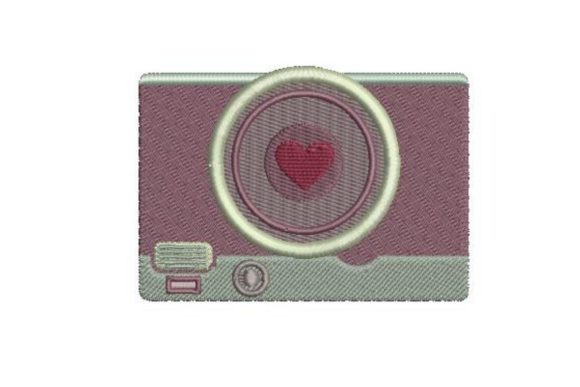
The first thing that strikes me about Camera with Heart is its visual tone. Based on the description of a "lovely illustration," this design leans heavily into the playful yet sentimental aesthetic that dominates the current marketplace. It is not overly rustic or strictly minimal; instead, it hits a sweet spot of modern whimsy. The combination of a camera—a symbol of memory and creativity—with a heart suggests passion and love for the craft. This makes it incredibly versatile. It feels feminine without being fragile and bold enough to stand out on social media feeds.
For an Etsy seller, understanding the vibe is crucial for tagging and marketing. This design screams "personalized gift" for photographers, travel enthusiasts, and creatives. It fits perfectly into a Vacation themed collection, appealing to people planning trips or commemorating adventures. However, its appeal extends beyond seasonal travel gear. Because photography is a year-round passion, this embroidery file offers evergreen sales potential rather than just a fleeting trend.
Product Applications for Small Batch Apparel and Decor
When planning a new collection, I visualize exactly where the stitch-out will live. Camera with Heart seems ideally suited for a variety of finished product categories. Here is how I would deploy this design in a real shop scenario:
- Tote Bag Design: A canvas tote embroidered with this motif is a no-brainer. It appeals to students, artists, and travelers. The "heart" element adds an emotional hook that standard camera logos lack.
- Sweatshirt Embroidery: Placed on the left chest or centered on a crewneck, this works beautifully for custom apparel. It creates a sense of community for photography clubs or family reunion gifts.
- Kitchen Towel Embroidery: For the home decor niche, stitching this onto flour sack towels creates a charming gift for hosts or housewarmings, especially if paired with a witty phrase about capturing moments.
- Embroidered Patch: If the hoop size permits a dense, clean edge, this could be cut out and sold as an iron-on patch, a high-margin item for craft business owners.
- Baby Embroidery: While the theme is photography, the "cute" factor allows it to work on baby blankets for parents who love documenting their child's growth.
The versatility of this digital embroidery file means you are not limited to one niche. You can create a cohesive brand story around "capturing love" or "memories made by hand."
Enhancing Buyer Value and Perceived Quality
In the crowded world of online marketplaces, presentation is everything. A design like Camera with Heart helps a product feel more giftable and professional. When a customer sees a well-executed stitch-out of this illustration, they perceive higher value than a printed graphic. The texture of the thread adds depth that photographs beautifully.
For commercial embroidery purposes, the clarity of the illustration is key. A design that reads well at a distance also tends to look crisp in listing thumbnails. If the lines are clean and the color transitions are smooth, it makes product photography easier. You won't need complex lighting to show off the details; natural light on a textured fabric like linen or French terry will make the design pop. This visual appeal directly translates to click-through rates on Etsy and social media previews.
Practical Seller Notes and Production Tips
Before adding Camera with Heart to your shop listings, there are critical steps every responsible seller must take. While the product description mentions it comes with multiple file formats and is suitable for multi-needle machines, specific technical details are often best confirmed directly on the Creative Fabrica product page.
- Test the Stitch-Out: Never list a product based solely on the digital preview. Stitch the design on the actual fabric you intend to sell. Check the stitch density; if it is too high, it may cause puckering on lighter fabrics like tote bags.
- Thread Color Selection: Experiment with different thread colors. While black and white might be classic, trying navy, sage green, or terracotta could open up new aesthetic avenues for your brand.
- Stabilizer Choice: Depending on the garment, ensure you are using the correct stabilizer. A sweatshirt requires different support than a structured cap or a floppy kitchen towel.
- Readability Check: View your sample from three feet away. Does the heart shape register clearly? If the details blur, you may need to adjust the size or simplify the underlay.
- Licensing Verification: Always review the licensing terms on Creative Fabrica before selling finished goods. Ensure that commercial use is permitted for physical products, as terms can vary between designers.
Final Thoughts on Commercial Viability
Integrating Camera with Heart into your inventory is a strategic move for any handmade product seller. It taps into the universal love for photography while offering a unique, handcrafted twist that mass-produced items cannot match. Whether you are creating custom apparel for a local photography studio or building a line of travel-themed accessories, this design provides a solid foundation. By focusing on quality execution and thoughtful product pairing, you can turn this single embroidery file into a profitable segment of your craft business. Remember, the success lies not just in the design itself, but in how you present it to your audience as a meaningful, tangible object of art.