Starfish Bin: The Perfect Catch-All for Craft Fairs
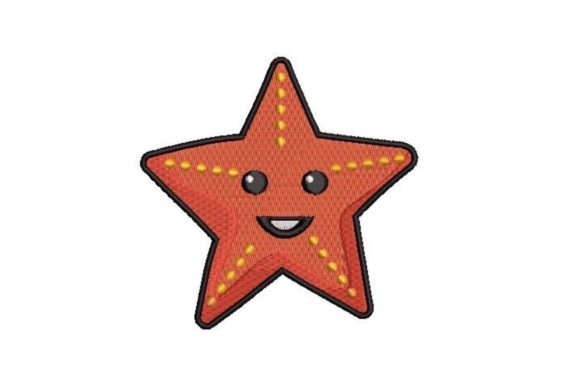
As an embroidery designer preparing for the upcoming weekend craft fair circuit, I am constantly evaluating which machine embroidery design assets will translate best from a digital file to a tangible finished product. My booth strategy relies on items that stop customers in their tracks, offer immediate utility, and showcase high-quality stitching. Today, I am reviewing the Starfish Bin, a cute little starfish-shaped catch-all bin design intended for change, jewelry, keys, and all kinds of little things. Coming in both sizes and multiple embroidery file formats, this asset holds significant potential for the House category, but it requires a strategic approach to maximize sales.
First Impressions and Market Appeal
The moment I loaded the digital embroidery file into my software, the Starfish Bin projected a vibe that is undeniably coastal yet versatile enough for modern farmhouse decor. It feels soft, decorative, and inviting. For an Etsy seller or boutique maker, this aesthetic is gold. It taps into the enduring popularity of beach themes without being overly kitschy. The description promises a "cute" factor, which is essential for impulse buys at a market. When a customer walks past a table filled with generic items, a well-executed starfish motif on a functional item creates an emotional connection. It suggests relaxation, organization, and a touch of seaside charm. This visual appeal is critical for boosting buyer engagement in a crowded marketplace.
Strategic Product Placement for Maximum Sales
The true test of any craft fair product is its versatility. Where does the Starfish Bin shine? Based on my experience, this design excels when applied to small, functional textiles. While it could work on a large tote bag design, I believe its sweet spot lies in smaller accessories where the starfish shape mimics the actual utility of the item. Imagine a small fabric pouch or a zippered coin purse embroidered with this design; the thematic link between the starfish image and the "catch-all" function is immediate and clever.
For apron embroidery, placing the design on the pocket adds a delightful focal point that breaks up solid colors, making the garment feel custom and premium. Similarly, tea towel embroidery featuring the Starfish Bin near the hem creates a coordinated kitchen set that appeals to home decorators. I also see strong potential for embroided patch applications. If you iron this design onto a canvas tote or a denim jacket, it elevates a basic item into a handmade product with perceived higher value. For those selling small shop products online, creating a printable mockup of this design on a velvet jewelry tray or a linen valet dish could drive significant clicks, even if the final product is a stitched version on fabric.
Production Practicality and Batch Efficiency
From a production standpoint, the Starfish Bin appears to be a strong candidate for batch production, provided the stitch density is managed correctly. One of the biggest challenges at craft fairs is maintaining inventory levels. A design that stitches out quickly and cleanly allows you to produce more units before the event. The fact that this commercial embroidery asset comes in multiple sizes is a massive advantage. You can run the larger size on pillow covers or market bags and the smaller size on caps or key fobs, effectively doubling your product range from a single purchase.
However, clarity is king. A design must be understandable at a glance. The starfish shape is universally recognized, which reduces the cognitive load for the customer. They don't have to squint to figure out what it is; they just see something cute and useful. This instant recognition translates to faster sales decisions. Furthermore, because the motif is distinct, it photographs exceptionally well for online listings. High contrast between the thread colors and the fabric will make your Etsy thumbnails pop, driving traffic to your shop.
Critical Considerations for Execution
While the Starfish Bin is promising, there are technical hurdles every embroidery business owner must navigate. First, pay close attention to dense stitch areas. If the design relies heavily on satin stitches to create the starfish arms, ensure your tension is perfect to prevent puckering, especially on lighter fabrics. Tiny details can get lost if the hoop size is too large relative to the design, causing the fabric to shift. Always test the design on scrap fabric that matches your final product material.
Fabric texture plays a crucial role here. If you are applying this to textured towels, the definition of the starfish might soften. In such cases, using a cut-away stabilizer is non-negotiable to provide a firm foundation. Conversely, on thick fabric like canvas totes, ensure your needle can penetrate without breaking threads. Curved surfaces, such as caps, present another challenge; the distortion on the front panel can warp the starfish shape if not hooped correctly. Additionally, be mindful of dark fabric. If the design relies on subtle shading, it may lose clarity on black or navy backgrounds unless you adjust the underlay or thread choices.
Designer Notes for Success
To ensure the Starfish Bin becomes a bestseller in your booth, follow these practical steps before committing to full production:
- Test on Scraps: Never run a new design on final inventory without a test stitch-out on the exact same fabric weight and type.
- Check Thread Contrast: Ensure the thread colors stand out against the background fabric to maintain the design's visual impact.
- Review Spacing: Verify that elements within the starfish design are spaced adequately to prevent thread breaks or merging.
- Confirm Hoop Size: Match the design size to the appropriate hoop to minimize fabric movement and registration errors.
- Inspect Stitch Density: Look for areas that are too dense, which can cause stiffness or fabric distortion, and edit if necessary.
- Use the Right Stabilizer: Select a stabilizer that complements the fabric texture, whether it is tear-away for stable wovens or cut-away for stretchy knits.
- Create Real Mockups: Photograph physical samples in natural light to see how the finished product truly looks before marketing it.
- Compare Fabric Colors: Run the design on various colorways to determine which combinations yield the highest perceived value.
- Verify Licensing: Since this is a digital embroidery file, confirm the commercial licensing terms explicitly before selling finished goods.
The product description mentions that the design comes in multiple file formats and both sizes, but it does not specify exact stitch counts or specific license limitations. As a professional, I advise checking the readme file or the seller's terms of use carefully. Do not assume unlimited commercial rights or specific hoop compatibility without verification. By treating the Starfish Bin with the respect and technical scrutiny it deserves, you can transform a simple digital asset into a standout handmade product that enhances your brand consistency and drives revenue at your next market event.