Trick or Treat Halloween: A Designer's Review for Real Projects
As a designer who spends more time staring at stitch maps than actual fabric, I approach every new machine embroidery design with a mix of excitement and skepticism. We've all been there: a file looks adorable on the screen, but once it hits the hoop, the details muddy, the pull distorts the shape, or the density turns a soft tee into a cardboard shield. That is why I took a close look at Trick or Treat Halloween before committing it to any client work or shop inventory. This isn't just about whether it's cute; it's about whether it holds up under the pressure of real-world production.
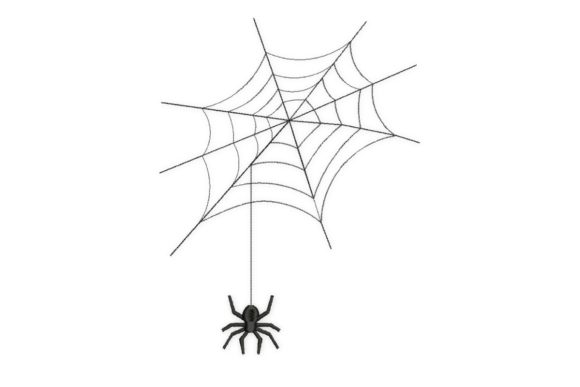
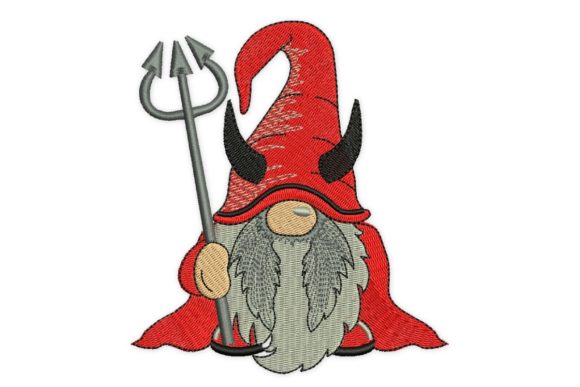
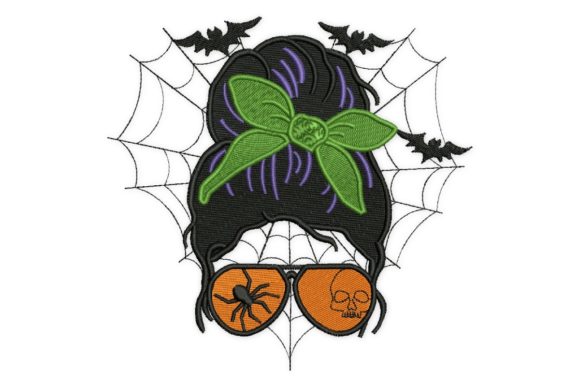
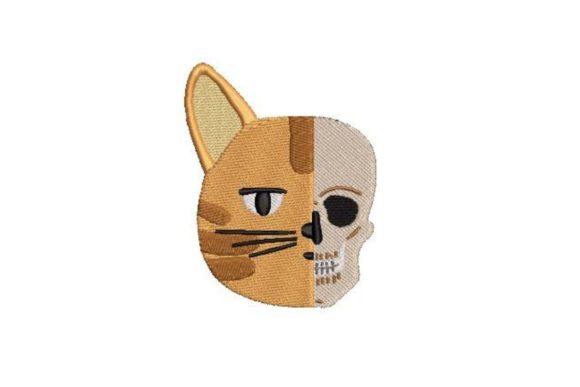
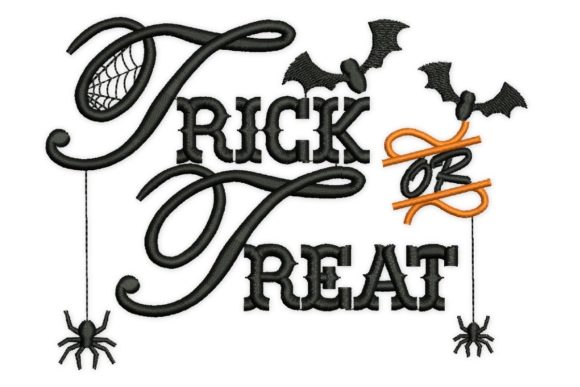
My first impression of Trick or Treat Halloween was its playful yet balanced layout. Unlike many seasonal files that rely on chaotic clusters of elements, this design feels intentional. The visual personality screams "festive fun" without crossing into childish clutter, which makes it incredibly versatile. It creates a mood that is welcoming rather than spooky, making it perfect for a wide demographic—from toddlers to adults who want to celebrate the season without wearing a horror movie costume. The flow of the shapes suggests a design that was digitized with an understanding of how thread behaves, prioritizing clean lines over unnecessary complexity.
Putting the Design to the Test: A Real-World Scenario
To truly evaluate an embroidery file, you have to imagine it on a finished product. I visualized a specific project: a custom order for a local boutique needing a run of limited-edition tote bags for their October window display. The goal was a handmade product that felt premium enough to justify a higher price point but fun enough to impulse-buy.
I imagined stitching Trick or Treat Halloween onto a heavy-weight canvas tote. In this scenario, the design shines. The open areas allow the fabric texture to breathe, preventing that stiff, plastic-like feel you sometimes get with overly dense fills. If I were using this for sweatshirt embroidery, the design's structure would sit beautifully on fleece or French terry, provided the stabilizer is chosen correctly. For a personalized gift like a baby onesie, the lack of tiny, fragile protruding details means it should withstand the rigors of washing machines better than intricate lace-style motifs.
However, context is everything. While this design works wonders on flat surfaces like pillow covers or kitchen towels, I would pause before slapping it onto a curved surface like a cap. Without seeing the specific digitizing path, designs with wide horizontal spans can sometimes pucker on the front panel of a hat. For custom apparel like t-shirts, the key will be managing the stretch. If the design relies heavily on satin stitch borders, it needs to be short enough not to restrict the fabric's natural give.
Technical Considerations for the Serious Maker
Let's talk about the nitty-gritty that separates a hobbyist from a professional Etsy seller. When reviewing Trick or Treat Halloween, several technical factors come to mind that require attention before you hit "start" on your machine.
- Fabric Texture and Contrast: This design likely relies on clear definition between elements. On dark fabrics, you must ensure your thread colors have enough pop. A low-contrast thread choice could make the design disappear, ruining the visual impact.
- Stitch Density: High density can be a killer on thin fabrics. If this design uses significant fill stitch areas, test it on scrap fabric first. You may need to adjust your tension or use a cut-away stabilizer instead of tear-away to prevent tunneling or distortion after washing.
- Small Details: Inspect the preview closely for tiny lettering or fine lines. If the design includes small text as part of the "Trick or Treat" phrase, verify that it remains legible at smaller hoop size configurations. Tiny running stitches can easily get lost if the thread thickness doesn't match the detail level.
- Layered Garments: If you are embroidering over a seam or a pocket, ensure the design doesn't have dense blocks that will cause needle deflection or breakage when hitting multiple layers of fabric.
For those creating commercial embroidery assets, consistency is king. You need to know that the tenth item in your batch looks exactly like the first. Trick or Treat Halloween appears to have a straightforward stitch sequence, which usually translates to fewer thread breaks and less trimming time—a crucial factor when scaling up for craft fairs or holiday rushes.
Enhancing Brand Value and Customer Trust
In the world of small shop products, the quality of your decoration directly reflects your brand. A sloppy stitch job tells a customer you cut corners; a crisp, well-executed design tells them you care. Using a polished file like Trick or Treat Halloween can elevate the perceived value of a simple tea towel or apron into a boutique-quality item.
When customers see clean edges and vibrant coverage, they trust the durability of the finished product. This is especially important for holiday embroidery items that are often gifted. If the design holds up after the first wash, that customer returns next year. If it frays or puckers, you lose that lifetime value. The aesthetic appeal of this design—its ability to look "elegant and gorgeous" as described—suggests it avoids the cheap, cartoonish look that plagues many free online files.
Furthermore, for digital product sellers creating printable mockups, the clarity of this design is a major asset. Clean lines photograph better, making your social media posts and Etsy listings stand out in a crowded feed. Visual clarity drives buyer engagement, and a design that reads well from a distance (on a porch flag) and up close (on a patch) offers maximum versatility for your marketing materials.
Final Verdict and Practical Advice
So, is Trick or Treat Halloween worth adding to your library? From a designer's perspective, it seems to hit the sweet spot between festive charm and technical reliability. It feels like a safe bet for a variety of projects, from embroidered patches to full-back jacket designs, as long as you respect the material you are stitching on.
Before you commit to a large run, here is my professional checklist:
- Test on Scraps: Always stitch a sample on the exact fabric you plan to sell. What works on cotton might fail on polyester blends.
- Check Licensing: Since this is intended for potential commercial use, confirm the license terms. Can you sell unlimited physical items? Are there restrictions on selling the digital embroidery file itself?
- Review File Formats: Ensure the download includes the specific format your machine requires (PES, DST, EXP, etc.) to avoid conversion errors that can alter stitch paths.
- Mockup Testing: Try visualizing the design in black and white. If it loses its definition without color, you may need to adjust your thread palette for certain fabric backgrounds.
Ultimately, Trick or Treat Halloween offers a solid foundation for creative entrepreneurs looking to capitalize on the autumn season. It invites customization and promises a professional finish, provided the user applies standard best practices for tension, stabilization, and fabric selection. For the maker who values both aesthetics and efficiency, this design appears to be a worthy addition to the arsenal.