American Neanderthal: A Bold Craft Fair Embroidery Review
As an experienced embroidery designer preparing for a busy weekend at the local artisan market, I am constantly evaluating which digital embroidery file will stop customers in their tracks. My booth strategy relies on high-impact visuals that translate well from a screen to physical fabric. Today, I am reviewing the American Neanderthal design to determine if it earns a spot on my production list for tote bags, aprons, and patches. This is not just about aesthetics; it is about what sells, what stitches out cleanly, and what creates a memorable handmade product.
First Impressions and Visual Impact
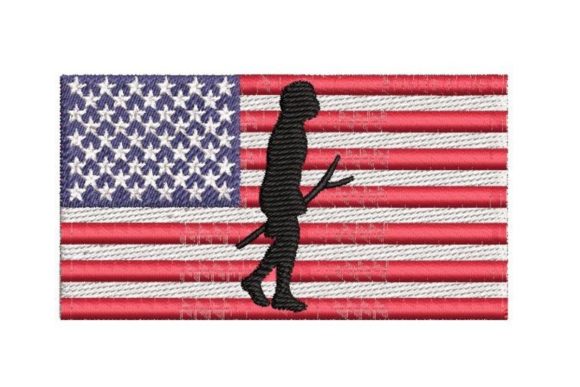
The moment I loaded the preview of American Neanderthal, the vibe was immediately clear: this is a bold, rustic, and slightly edgy statement piece. It is not a soft, farmhouse-style floral or a minimalistic line drawing. Instead, it combines prehistoric imagery with patriotic symbolism, creating a unique juxtaposition that feels modern yet rooted in history. The description highlights a "detailed and intricate flag design," which suggests a high level of visual interest. For a craft fair product, this complexity is a double-edged sword. It draws the eye because it looks premium and substantial, but it demands careful execution to ensure the details do not get lost.
In a crowded marketplace, buyers scan tables quickly. A design that merges a Native American Neanderthal figure with flag elements creates an instant conversation starter. It feels authoritative and strong, making it an excellent candidate for customers looking for gifts with personality rather than generic decor. The aesthetic leans towards the rugged and decorative, perfect for those who appreciate North America heritage with a twist of humor or historical intrigue.
Product Suitability and Placement
When deciding where to place American Neanderthal, I evaluated several potential items for my booth display. Here is how I see this machine embroidery design performing across different mediums:
- Tote Bags and Market Bags: This is likely the strongest contender. A large canvas tote provides enough surface area for the intricate flag details to shine. As a tote bag design, it offers a large focal point that looks impressive when worn over the shoulder.
- Aprons: An apron embroidery featuring this design would appeal to the grilling enthusiast or the home cook with a sense of humor. Placing it on the bib or the lower skirt of a heavy-duty canvas apron adds significant value to a standard kitchen item.
- Tea Towels: While tea towel embroidery is popular, the dense details of this specific design might be challenging on thin linen. It could work as a centerpiece, but the fabric texture must be stable enough to support the stitch count without puckering.
- Embroidered Patches: Creating an embroidered patch allows for maximum versatility. Customers love iron-on or velcro patches, and this design's bold outlines would translate well into a merit-badge style accessory for jackets or backpacks.
- Caps and Hats: This is a risky category. The curved surface of a cap can distort detailed designs. Unless the hoop size and digitizing are specifically optimized for headwear, the intricate flag elements might compress awkwardly.
- Pillow Covers: A decorative pillow serves as a great home decor item. The design acts as a central medallion, adding a touch of rustic elegance to a living room or cabin setting.
Production Realities and Technical Considerations
Before committing to batch production, every professional Etsy seller or boutique maker must consider the technical limitations of the file. The description notes "detailed and intricate" elements, which directly correlates to stitch density. High-density areas can cause fabric pull, especially on stretchy materials or textured towels. If you are using thick fabric like denim or canvas, you must ensure your needle and thread tension are adjusted correctly to prevent breakage.
One major concern is the clarity of small details. In a small shop product environment, customers often pick up items to inspect them closely. If the flag stripes or facial features are too small, they may turn into a solid blob of thread from a distance or fray quickly with wash-and-wear use. It is crucial to test the design on scrap fabric that matches your intended final product. Check the thread colors against your fabric choice; high contrast is essential for this design to pop. A dark thread on a dark shirt will hide the intricacy, while a light thread on a dark background might require a dense underlay that stiffens the hand of the fabric.
Furthermore, verify the stabilizer requirements. Complex designs often need cut-away stabilizer rather than tear-away to maintain structural integrity over time. Since the product description mentions the file comes with multiple formats (implied by "comes with mul"), ensure you select the correct format for your machine to avoid resizing errors that could ruin the proportion of the Neanderthal figure.
Marketing and Customer Engagement
From a marketing perspective, American Neanderthal has high potential for social media and online listings. When creating a printable mockup for your Etsy shop, focus on lifestyle shots that emphasize the rugged nature of the design. Show the embroidery on a worn-in leather jacket, a sturdy market bag filled with groceries, or a kitchen apron in a rustic setting. These design assets help the customer visualize the finished product in their own life.
The uniqueness of the subject matter aids in brand consistency if your shop focuses on quirky, historical, or Americana-themed goods. It differentiates you from sellers offering standard monograms or generic holiday motifs. However, because the theme is specific, it may appeal to a niche audience rather than the mass market. This makes it an ideal "hero product" for a display table—something that gets people talking, even if they don't buy that specific item immediately. It drives traffic to your booth, where they might then purchase a simpler item.
Final Designer Notes and Checklist
To ensure success with American Neanderthal, follow this practical checklist before listing it as a commercial embroidery item:
- Test Stitch-Out: Always run a test on the exact fabric weight you plan to sell. Do not assume it will work on all materials.
- Check Licensing: Confirm the commercial licensing terms included with the digital embroidery file. Ensure you are allowed to sell finished physical goods made with this design.
- Review Hoop Requirements: Verify the minimum hoop size needed. If the design is large, it may not fit on standard pocket hoops, limiting your product options.
- Assess Clarity: Step back ten feet from your test stitch-out. Can you still identify the flag and the figure? If not, consider simplifying the thread palette or increasing the size.
- Fabric Contrast: Choose fabric colors that maximize the visibility of the intricate details. Neutral tones often work best for complex, multi-colored designs.
In conclusion, American Neanderthal is a powerful addition to a curated collection of handmade products. It requires a skilled hand and attention to detail during production, but the result is a striking piece of Embroidery art that stands out in a sea of generic crafts. With the right preparation and product selection, it can become a signature item that defines your brand's bold and creative spirit.