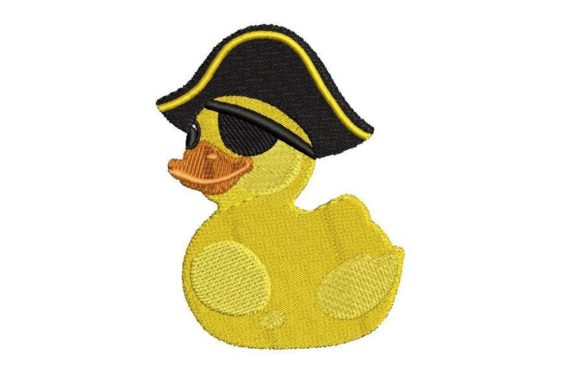
Pirate Rubber Duck: A Craft Fair Best-Seller Review
As I set up my booth for the upcoming weekend market, I am constantly evaluating which machine embroidery design will stop customers in their tracks. Today, I am taking a close look at the Pirate Rubber Duck. This isn't just another cute animal motif; it is a clever mashup of childhood nostalgia and swashbuckling adventure that feels perfectly timed for the current trend toward whimsical, humorous home goods. When scanning through my library of digital embroidery file options for this season's craft fair product lineup, this design immediately stood out as a potential anchor for my display.
First Impressions and Visual Appeal
The initial reaction to the Pirate Rubber Duck is one of delight. It strikes a perfect balance between cute and funny, avoiding the overly serious tone of traditional pirate imagery while maintaining enough thematic detail to be recognizable. In a sea of generic floral patterns and monograms often found at handmade markets, this design offers a unique personality. It feels modern yet timeless, appealing to parents looking for children's clothing accents as well as adults who appreciate quirky kitchen decor. The concept suggests a playful spirit that translates exceptionally well into a handmade product intended to bring a smile to the buyer's face.
Visually, the design relies on strong silhouettes and likely bold thread colors to define the duck's features against the pirate accessories. For a busy craft fair environment where customers only have seconds to glance at a table, this high-contrast approach is crucial. It reads clearly from a distance, making it an excellent candidate for eye-catching booth samples.
Strategic Product Applications
Determining where to place the Pirate Rubber Duck is key to maximizing sales. Based on the description noting its suitability for towels and bath supplies, I see immediate potential for a dedicated "Bath Time Adventure" collection. Here is how I plan to deploy this design across various items:
- Tote Bags and Market Bags: Placing this design on a canvas tote creates an instant conversation starter. As a tote bag design, it works best when centered or placed slightly off-center for a casual look. The durability of canvas supports the stitch work well.
- Aprons and Tea Towels: This is arguably the strongest category for this motif. Apron embroidery featuring a pirate duck adds humor to cooking, while tea towel embroidery turns a standard kitchen utility into a giftable item. These are low-cost entry points for customers browsing my table.
- Children's Clothing: Applying the design to denim jackets, hoodies, or sturdy cotton shirts creates a premium small shop product. Parents love unique character designs that aren't available in big-box stores.
- Embroidered Patches: If the file allows for a satin border, creating iron-on patches is a fantastic way to sell the design without committing to a full garment. Customers can apply these to backpacks or hats later.
- Pillow Covers and Pouches: Small zippered pouches make excellent impulse buys. A pillow cover with this design fits perfectly into a nursery or a playful living room aesthetic.
Production Practicality and Batch Efficiency
For an Etsy seller or craft fair vendor, time is money. The Pirate Rubber Duck appears to be designed with production efficiency in mind. The shapes are generally solid, suggesting that the stitch density is manageable without excessive jump stitches or tedious trimming. This makes it highly repeatable for batch production, allowing me to hoop multiple aprons or towels and run them in sequence.
However, practical judgment requires caution. While the design comes in multiple formats, I must verify the specific hoop size requirements before committing to a large run. If the design includes tiny details like the duck's eye or small pirate emblems, these could get lost on textured fabrics. It is vital to test the design on scrap fabric first, specifically checking how the stitches lay on fabric texture variations like waffle-weave towels versus smooth cotton.
Critical Considerations for Execution
To ensure the finished product looks professional, several technical factors need attention. First, stabilizer selection is non-negotiable. Towels and stretchy children's clothing require a cut-away stabilizer to prevent distortion after washing. Using a tear-away on a towel might result in the design sinking into the loops of the fabric, losing clarity.
Second, thread contrast is essential. A pirate theme usually demands black, gold, red, and white. On dark fabric, I would need to ensure there is an underlay or a light-colored outline to make the duck pop. Conversely, on white towels, using a dark thread for the outline ensures the shape remains defined. I also need to be wary of curved surfaces; if I decide to put this on caps, the curvature can distort the circular shape of the duck, so a smaller hoop or a specific cap frame might be necessary.
Finally, regarding licensing, the description mentions the file is suitable for decorating products, but it does not explicitly detail commercial terms. Before listing these items as commercial embroidery products on Etsy or at a fair, I must confirm the license allows for selling finished physical goods. Never assume a digital download includes commercial rights unless stated.
Marketing and Customer Engagement
In terms of marketing, the Pirate Rubber Duck is a photographer's dream. It creates a strong focal point for printable mockup creation and social media content. A photo of this design on a folded teal towel with a toy ship nearby tells a story instantly. For online listings, clear, bright images of the stitch quality will drive engagement.
This design enhances brand consistency by showing that my shop offers fun, creative, and high-quality items. It moves beyond standard monograms to offer character-driven art. When customers see the attention to detail in the thread work and the cleverness of the design, they perceive higher value, justifying a premium price point for the handmade nature of the item.
In conclusion, the Pirate Rubber Duck is a versatile and engaging asset for any embroidery business. Whether used for a quick embroidered patch or a statement apron embroidery piece, it has the charm and technical feasibility to become a staple in my inventory. By paying attention to fabric choices, stabilizer needs, and licensing details, this design can easily transition from a digital file to a best-selling physical product that delights customers at every craft fair.